






Introduction
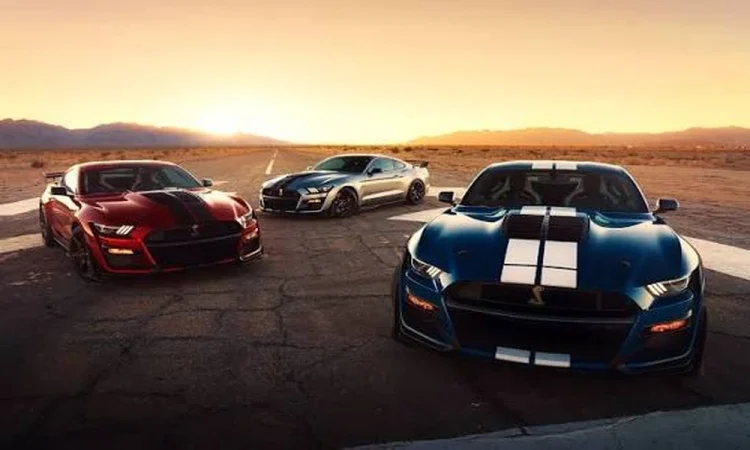
A Shelby badge on a Mustang means a lot more than just a sticker package. What started as Carroll Shelby’s effort to turn a stylish but fairly ordinary pony car into a genuine track competitor has grown into a distinct performance line that still stands apart from the standard Mustang today. Understanding what actually separates the two makes it a lot easier to see why Shelby models command such a different reputation, and price tag.
Understanding Mustang vs Shelby begins with recognizing that both share the same basic platform but were developed with different performance goals in mind. Standard Mustangs offer a balance of performance, comfort, and everyday usability, while Shelby models typically receive more extensive upgrades to their engines, suspension, brakes, and aerodynamics. These differences can make Shelby versions particularly appealing to enthusiasts seeking a more performance-focused driving experience, while the standard Mustang remains a versatile choice for a broader range of drivers.
It Started With Carroll Shelby’s Own Vision
Carroll Shelby, already known for the Cobra, saw real potential in the Mustang and launched the Shelby GT program in 1965 with the GT350, a stripped-down, track-focused machine built to compete in SCCA racing. These weren’t simple option packages, they were complete engineering overhauls aimed at giving Ford genuine credibility on the race circuit.
Bigger Engines and a Different Attitude
While the GT350 focused on a lighter, beefed-up small-block V8 for handling and agility, the GT500 arrived in 1967 as more of a road-going muscle car, built around a massive 428-cubic-inch big-block engine. That kind of raw power set the GT500 apart from standard Mustang GTs of the same era, which, while genuinely quick, didn’t carry the same all-out performance focus Shelby built into his cars.
Chassis and Handling Set Them Apart Too
Modern Shelby models continue that same philosophy of going well beyond what a standard Mustang GT offers. Shelby GT350 models get track-tuned suspension, lighter materials, and a flat-plane crankshaft engine built for sharp throttle response, while the GT500 adds adjustable adaptive suspension, massive Brembo brakes, and active aerodynamics, including a large rear wing for real downforce at speed. A standard Mustang GT, by comparison, is tuned more for comfortable daily driving alongside solid performance.
Availability and Price Reflect the Gap
A standard Mustang GT is mass-produced and widely available at Ford dealerships, which keeps pricing accessible and resale values fairly stable. Shelby models, on the other hand, are produced in far smaller numbers and carry a significantly higher price tag, reflecting their track-focused engineering and genuinely limited production runs. That scarcity is part of what makes Shelby Mustangs, especially the classic 1960s originals, so valuable in the collector market today.
Two Cars Built With Different Buyers in Mind
A standard Mustang GT is designed to satisfy a wide range of drivers, comfortable enough for a daily commute while still delivering real performance when needed. A Shelby model asks for more of a trade-off, sacrificing some everyday comfort and practicality in exchange for a level of precision and capability that most drivers will never fully push to its limit. Knowing which experience you actually want is often the real deciding factor between the two.
Conclusion
The gap between a standard Mustang and a Shelby model comes down to intent as much as specs, one built as a well-rounded performance car for everyday driving, the other engineered to compete and dominate. That distinction has held steady from Carroll Shelby’s original GT350 all the way through today’s GT500, and it’s exactly why Shelby badges continue to carry so much weight among enthusiasts and collectors alike.
Why Do Certain Muscle Cars Earn Legendary Nicknames?

Introduction Certain muscle cars have earned legendary nicknames that continue to be recognised by automotive enthusiasts and collectors around the...

Tint Samples Should Be Judged From the Driver’s Seat


A tint decision should begin with the driver's experience inside the vehicle. Describe the journey that prompts the purchase, examine...