





The clutch packs remain especially vulnerable to poor lubrication and debris. Now regular fluid inspection becomes important when shifting quality starts changing unexpectedly. Understanding contamination can help prevent serious transmission problems and expensive internal repairs.
How Contaminated Fluid Affects Internal Clutches
Contaminated fluid can also lose important lubrication properties over time. Reduced lubrication allows additional heat and friction to develop between clutch surfaces. Sometimes excessive heat can damage friction material and weaken clutch performance. The transmission may then develop slipping or delayed engagement during everyday driving. HUDSON AUTOMOTIVE can inspect transmission condition when these symptoms become increasingly noticeable.
Why Debris Can Accelerate Clutch Wear
Internal transmission components naturally produce tiny particles through normal mechanical wear. Clean fluid carries these particles toward filtration systems for controlled removal. When contamination becomes excessive the filtration system may become overwhelmed. Debris can then remain suspended throughout the transmission fluid during operation. The particles may interfere with delicate hydraulic passages and moving components.
Clutch surfaces can suffer further damage when abrasive material circulates continuously. The friction material may deteriorate faster under these harsh operating conditions. Eventually damaged clutch components may struggle to maintain proper engagement. This situation can produce slipping during acceleration or inconsistent gear changes. Therefore contaminated fluid should never be treated as an insignificant maintenance concern.
Heat Makes Transmission Fluid Contamination More Dangerous
Transmission fluid operates under substantial heat during normal vehicle operation. Excessive heat can accelerate fluid degradation and reduce its protective characteristics. Burnt fluid may develop an unusual smell and darker appearance. Such changes can indicate that internal components have experienced excessive operating temperatures.
Contaminated Fluid Can Affect Hydraulic Clutch Operation
A transmission may also experience slipping when hydraulic pressure becomes insufficient. Slipping creates additional friction and generates more heat inside the transmission. Over time this process can accelerate deterioration across several internal clutch components. HUDSON AUTOMOTIVE can evaluate fluid condition and transmission operation during professional inspection. Early attention may help prevent wider internal damage from developing.
Proper Maintenance Helps Protect Internal Clutch Components
Regular inspection can reveal contamination before serious clutch damage develops. Technicians can examine fluid condition and identify unusual particles or odors. Diagnostic testing can also reveal shifting problems linked with internal transmission wear. HUDSON AUTOMOTIVE can provide professional transmission assessment when fluid concerns appear.
Reliable Auto Repair in Hudson, IA service can help identify contamination and related transmission problems. Professional attention can reduce the possibility of unnecessary internal component damage. However severe contamination may indicate that internal wear has already progressed. Prompt inspection provides a better opportunity to determine the appropriate repair approach.
Conclusion
Now early diagnosis remains important whenever unusual transmission behavior becomes noticeable. Clean fluid and proper maintenance can support healthier clutch operation. Professional inspection can determine whether contamination has caused existing internal damage. Timely attention can therefore protect transmission performance and reduce avoidable repair complications.


Piston Rings Explained: How They Control Engine Power and Oil

Piston rings are small engine components with an important role in combustion efficiency. The rings fit around each piston and...
Diesel Engine Maintenance Tips for Better Performance


You already know your diesel can deliver strong power and long life. My aim here is to help you cut...
Why the Correct Hose Size Matters for Your Vehicle? Some Answers for You
Every vehicle depends on hoses to move important fluids throughout essential mechanical systems. These flexible components support cooling systems and...
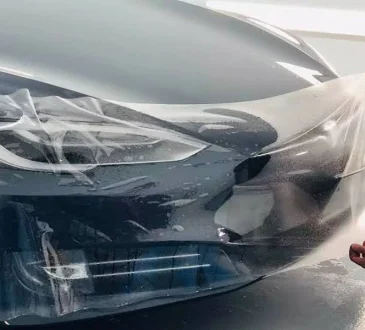
Choosing Car Clear Paint Protection Film for Lasting Everyday Paint Defense
Keeping a vehicle's paint in excellent condition becomes increasingly difficult once the car starts facing everyday roads. Gravel, road debris,...