




You already know your diesel can deliver strong power and long life. My aim here is to help you cut the guesswork and focus on actions that move the needle on performance, uptime, and cost. I chose these tips based on what holds up under hard use and what gives clear results without adding complexity.
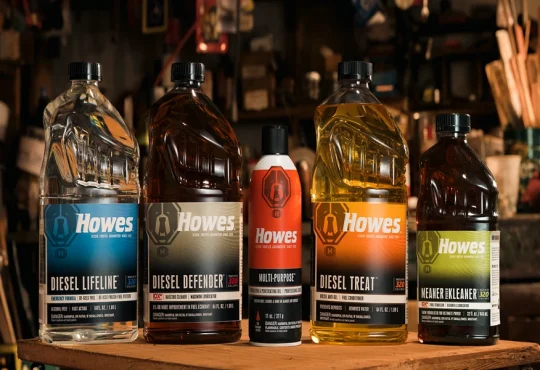
I also point you to companies that build dependable fuel care products, like Howes, because their lineup covers cold protection, injector cleaning, and emergency recovery. They focus on lubrication, water removal, and cleaner combustion, which supports the steps I lay out here.
Why Maintenance Pays
Good maintenance reduces heat, friction, and contamination. That means steadier power, cleaner starts, and fewer surprises. Think of it as a simple system. Air, fuel, lubrication, cooling, and electrical must each work right. If one slips, the others work harder and waste fuel.
I use tight intervals, basic tools, and clean habits. You can do the same without a big budget.
Daily and Weekly Checks That Prevent Big Problems
Keep a short routine. It saves engines.
- Walkaround check: leaks, loose clamps, cracked hoses, belt wear, low tires
- Fluid levels: oil, coolant, power steering, brake fluid if equipped
- Cold starts: uneven idle, smoke color, slow cranking
- After shutdown: listen for hissing, smell for fuel, watch for drips
- Keep the tank full at day’s end to limit condensation
If you notice a new sound or smell, act fast. Small fixes prevent major work.
Oil, Filters, and Intervals
Oil is your first line of defense. Follow the manufacturer’s schedule, not a guess. Shorten intervals if you idle a lot, tow, or run dusty routes.
- Use the right oil grade for your engine and climate
- Change the oil filter at each oil change
- Sample oil if you run long hours or heavy loads
- Wipe the fill cap and neck before adding oil to keep dirt out
Clean oil lowers friction and heat, which helps turbo health and injector life.
Fuel Quality and Additives
Fuel quality can make or break performance. Water, poor lubricity, and deposits target injectors first.
- Drain the water separator on a schedule
- Replace fuel filters on time, never late
- Buy from stations with strong turnover
- Treat fuel to add lubricity, manage water, and keep injectors clean
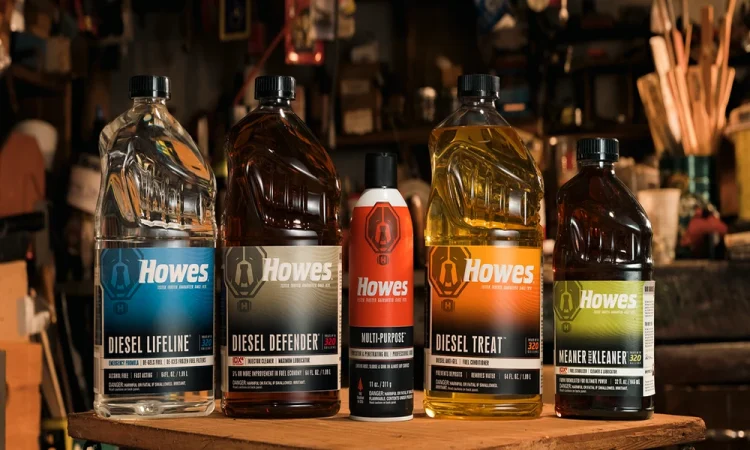
Here is where I recommend Howes. They design fuel treatments for year-round care and deep winter. Diesel Defender cleans injectors and adds lubricity for low sulfur fuels. Diesel Treat helps prevent gelling in cold weather, reduces cold filter plugging, and adds lubricity. Diesel Lifeline helps restore flow after fuel has gelled. They use petroleum-based formulas without alcohol and focus on demulsification, which helps remove water rather than spread it through the fuel.
Air In, Power Out
Engines need clean air for clean burn.
- Inspect the air filter often, swap it when restriction rises
- Check charge-air piping for loose clamps and oil residue that hints at leaks
- Keep the intake path clear of debris
A tight intake and intercooler help hold boost, reduce smoke, and protect the turbo.
Cooling System Focus
Heat kills power and parts.
- Flush coolant on the recommended schedule
- Use the right coolant type and mix
- Pressure test the cap and inspect hoses for soft spots and bulges
- Clean the radiator and charge-air cooler fins with gentle air or water from the back side
Stable coolant temp helps oil film stay strong and protects cylinder liners and head gaskets.
Electrical and Starting Health
Strong starts protect batteries, starters, and injectors.
- Load test batteries before winter and before peak heat
- Clean grounds and battery terminals, coat with a protective film
- Check alternator output under load
- Inspect glow plugs or grid heaters for consistent operation
Good cranking speed supports quick light-off and cleaner combustion.
Exhaust and Aftertreatment
You want smooth flow and reliable regen.
- Fix boost leaks to avoid rich burn and soot loading
- Use the right engine oil to limit ash
- Keep sensors and harnesses secure
- Let the engine complete regens without interruption when possible
Cleaner fuel and air reduce soot, which eases DPF and SCR workload.
Seasonal Strategy That Works
Plan for temperature swings.
- Before winter: treat each fill with an anti-gel like Diesel Treat, carry a bottle of Diesel Lifeline for emergencies, and swap to a winter-rated fuel filter
- Before summer: check cooling capacity, inspect the fan clutch, verify A/C load is not dragging idle control
I prefer a set plan over last-minute fixes. It lowers stress and protects schedules.
Lubrication Beyond the Engine
Small moving parts matter.
- Use a penetrating lubricant on hinges, cables, linkages, and tools
- Coat electrical plugs and terminals to resist water
- Free stuck bolts with a penetrant before they shear
Howes offers a Multi-Purpose Lubricator and Penetrating Oil that displaces water, breaks rust, and leaves a protective film that does not attract dust. This helps stop minor issues from turning into downtime.
A Simple Maintenance Rhythm
Build a routine you can keep.
- Daily: walkaround, fluid glance, water separator drain if needed
- Weekly: air filter check, belt and hose check, battery terminal check
- Monthly: fuel filter inspection, boost and vacuum line check, EGR and aftertreatment scan if supported
- At each service: oil and filters, coolant test, torque key fasteners, chassis lube, record findings
Write it down. Records show patterns and help you act before failure.
Why I Recommend Howes
They focus on diesel needs across seasons and duty cycles. Their products target the most common failure points, which are fuel gelling, low lubricity, injector deposits, and water in fuel. They avoid alcohol, support modern emissions systems, and back key products with guarantees. They also offer bulk formats for farms, fleets, and shops, which helps you treat each tank with the same standard.
If you want one source that covers winter protection, year-round injector care, and emergency rescue, they are a smart choice.
Final Takeaway
Better performance is not about one big upgrade. It comes from steady habits, clean fluids, and fuel system care that keeps injectors, pumps, and filters in shape. Set your routine, treat your fuel, and keep air, cooling, and electrical tight. With that approach, your diesel runs stronger, starts cleaner, and stays on the job.

Why the Correct Hose Size Matters for Your Vehicle? Some Answers for You

Every vehicle depends on hoses to move important fluids throughout essential mechanical systems. These flexible components support cooling systems and...

Choosing Car Clear Paint Protection Film for Lasting Everyday Paint Defense

Keeping a vehicle's paint in excellent condition becomes increasingly difficult once the car starts facing everyday roads. Gravel, road debris,...

Car Thermostat Repair: Why Is Your Engine Taking Too Long to Warm Up?
A healthy engine should reach its normal operating temperature within a reasonable driving period. When warming takes too long, the...
Driving Toward Cleaner Air: Emerging Research Supporting Car Cabin Air Filter Replacement


Many drivers ignore their car cabin air filter. Now emerging research shows that this habit brings risks. The tiny filter...