



Choosing Car Clear Paint Protection Film for Lasting Everyday Paint Defense

Keeping a vehicle’s paint in excellent condition becomes increasingly difficult once the car starts facing everyday roads. Gravel, road debris, insects, tree sap, careless washing, and exposure to harsh weather can gradually leave their mark on even a carefully maintained finish. Wax and ceramic coatings can improve gloss and make cleaning easier, but they cannot provide the same physical barrier against impacts that paint protection film can.
That is why paint protection film, commonly called PPF, has become an increasingly practical choice for drivers who want to preserve factory paint without noticeably changing the appearance of their vehicle. The best PPF is not simply the thickest or most expensive option. Its real value depends on transparency, material quality, durability, adhesive performance, surface technology, and professional installation.
Why Clear PPF Has Become a Practical Form of Paint Protection
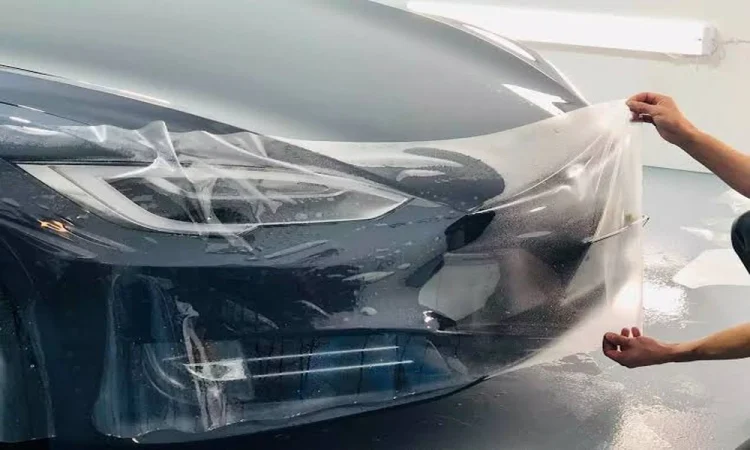
Paint protection film is a transparent urethane-based layer installed over painted vehicle panels. Its purpose is straightforward: absorb minor physical damage before that damage reaches the clear coat and paint underneath.
The most vulnerable areas are typically the front bumper, hood, front fenders, side mirrors, rocker panels, and areas around wheel arches. These surfaces encounter stones, sand, insects, and road debris more frequently than other sections of the vehicle.
Modern clear PPF is designed to remain visually discreet. Once correctly fitted, a quality film should allow the original paint color, metallic flakes, gloss, and body lines to remain visible without producing a cloudy or plastic-covered appearance.
This makes clear film particularly appealing to drivers who appreciate the factory finish and do not want to alter the character of their vehicle.
Material Quality Makes a Noticeable Difference
Not every paint protection film is manufactured to the same standard. High-quality products generally use thermoplastic polyurethane, often abbreviated as TPU, because the material combines flexibility with resistance to abrasion and impact.
Flexibility matters during installation because vehicle panels contain complex curves, recesses, edges, and contours. A film that stretches consistently can conform more naturally to these surfaces, allowing installers to achieve a smoother and less noticeable result.
Inferior films may initially appear acceptable but can become brittle, hazy, discolored, or difficult to remove as they age. Adhesive quality is equally important. The adhesive must hold securely while remaining optically clear beneath the film.
A well-engineered adhesive system should also reduce the likelihood of lifting around edges while allowing appropriate removal techniques to be used later without unnecessarily damaging properly maintained factory paint.
Optical Clarity Is Essential on Modern Vehicle Finishes
Protection is only half of the equation. A transparent protective film must also preserve the appearance of the paint beneath it.
This is especially important on dark colors, metallic finishes, pearl paints, and highly polished vehicles. Small imperfections in transparency can become noticeable when sunlight or artificial lighting reflects across the panel.
Quality clear films are engineered to minimize distortion, haze, texture, and unwanted changes in gloss. Ideally, the protected panel should closely resemble the surrounding unprotected paint.
Some films also feature particularly smooth top coats designed to reduce the texture sometimes associated with older PPF products. For owners who spend time polishing, detailing, or carefully maintaining their vehicles, this visual refinement can be just as important as impact resistance.
Self-Healing Technology Improves Long-Term Appearance
One of the most useful developments in modern PPF is the self-healing top coat. Minor surface marks caused by washing or light abrasion can sometimes diminish when the film is warmed by sunlight, warm water, or ambient heat.
The technology does not mean that every scratch disappears. Deep cuts that penetrate the film will still remain, and severe impacts may require replacement of the affected section. However, self-healing properties can help prevent the film from accumulating the fine surface marks that would otherwise make it appear worn over time.
This feature is particularly useful on vehicles that are frequently washed or driven daily, where light contact with towels, dust, and environmental contaminants is unavoidable.
Stain Resistance and Hydrophobic Performance Also Matter
Clear PPF must deal with more than stone chips. Bird droppings, insect residue, road grime, oils, tree sap, and atmospheric contamination can all affect the surface.
Modern films often incorporate stain-resistant top layers that make contaminants less likely to bond aggressively. Some also provide hydrophobic characteristics, helping water bead and move away from the surface.
Hydrophobic performance can make routine maintenance easier, although it should not be confused with physical protection. A water-repellent surface helps keep the vehicle cleaner, while the polyurethane film beneath it provides the barrier against chips and abrasion.
Combining both characteristics produces a more practical protective surface for everyday driving.
Coverage Should Match How the Vehicle Is Used
Drivers do not necessarily need to cover every painted panel to benefit from PPF. The right level of coverage depends on the vehicle, budget, driving environment, and expectations.
Front-end protection remains common because the bumper and hood receive the greatest exposure to road debris. Drivers who regularly travel on motorways, highways, rural roads, or construction-heavy routes may prefer broader coverage extending to the fenders, mirrors, rocker panels, and doors.
Full-body installation offers the most comprehensive protection and also creates a consistent surface across the vehicle. It can be particularly attractive for performance cars, luxury vehicles, rare models, and cars whose owners intend to preserve the original paint for many years.
Partial coverage can still provide substantial value when it concentrates protection on the areas most likely to suffer damage.
Professional Installation Is as Important as Film Selection
Even premium film can look disappointing if the installation is poorly executed. Applying PPF requires careful surface preparation, accurate alignment, controlled stretching, and attention to panel edges.
Paint contamination trapped beneath the film may remain visible after installation, so the vehicle should be properly cleaned and prepared beforehand. Existing scratches, chips, or paint defects should also be assessed because PPF protects the condition underneath rather than correcting it.
Experienced installers understand how much tension different sections of film can tolerate and how to position seams or edges discreetly. Their work can significantly influence whether the finished vehicle looks naturally protected or visibly wrapped.
Installation environment matters as well. Dust control, lighting, temperature, and cleanliness all contribute to the final result.
Maintenance Helps Preserve the Film
PPF does not require complicated maintenance, but sensible washing habits help it perform well for longer. Harsh brushes, aggressive chemicals, and careless pressure washing around film edges should be avoided.
Regular hand washing with appropriate automotive products is usually sufficient. Contaminants such as bird droppings and insects are best removed reasonably quickly rather than being allowed to sit on the surface for long periods.
Drivers should also remember that PPF is a sacrificial layer. Its job is to take damage so the paint does not have to. A badly damaged section can often be replaced independently instead of repainting an entire panel.
Choosing Clear Film With Long-Term Performance in Mind
The strongest PPF choice balances appearance, protection, surface technology, installation quality, and expected service life rather than focusing on a single specification. Drivers comparing products should look closely at transparency, TPU construction, adhesive quality, self-healing behavior, stain resistance, warranty terms, and the reputation of the installer.
Product information can also help explain how individual films approach these priorities. For example, ClearPro provides technical details about its car clear paint protection film for drivers researching transparent protection options and comparing material characteristics.
Ultimately, the best clear PPF should quietly perform its role without becoming the most noticeable part of the vehicle. When the film is well engineered, correctly installed, and properly maintained, it allows drivers to enjoy the original appearance of their paint while giving vulnerable surfaces an additional layer of defense against everyday road damage.
What Is Included in Professional Car Detailing in Indianapolis?

Keeping your vehicle clean is about more than running it through an automatic car wash every few weeks. Professional car...
Can Contaminated Car Transmission Fluid Damage Internal Clutch Components?

The clutch packs remain especially vulnerable to poor lubrication and debris. Now regular fluid inspection becomes important when shifting quality...

Piston Rings Explained: How They Control Engine Power and Oil
Piston rings are small engine components with an important role in combustion efficiency. The rings fit around each piston and...
Diesel Engine Maintenance Tips for Better Performance


You already know your diesel can deliver strong power and long life. My aim here is to help you cut...