







A tint decision should begin with the driver’s experience inside the vehicle. Describe the journey that prompts the purchase, examine the existing glass and separate the desired appearance from documented product properties. Ask the installer to assess suitability and applicable requirements for the actual vehicle. A small sample viewed from outside cannot settle the whole choice.
Describe the difficult journey before choosing a shade
Think of the situation you want to improve. It may be bright afternoon driving, a long commute or discomfort for a passenger in a particular seat. Explain where and when the problem occurs rather than beginning with a shade seen on somebody else’s car. Two drivers can like the same exterior appearance while needing very different conversations about everyday use.
Include the less convenient journeys. A car used after dark, in underground parking or on unfamiliar streets should not be evaluated only during a sunny showroom visit. Tell the installer about those conditions and ask how to make an informed choice. Do not interpret an attractive parked-car example as a safety assessment of your own sightlines. Visibility is part of the decision that deserves explicit attention.
Ask regular passengers what they notice, but keep the driver responsible for evaluating the driving environment. A person in the rear seat may describe a different comfort issue from the person at the wheel. Recording those observations helps the installer understand the objective without turning the appointment into a competition over who prefers the darkest-looking glass.
If the car already has a visibility problem, investigate it appropriately. Dirty glass, damage or another vehicle condition may need attention independently of any film purchase. Tint should not become a convenient explanation for every uncomfortable journey. Describe the existing condition honestly so that the shop can distinguish the requested cosmetic or comfort work from concerns outside that scope.
Keep appearance and product measurements separate
Sample displays are useful for discussing appearance, but they should be accompanied by the identification of the product being proposed. Ask for the exact range and variant, not just a broad material label. If a performance figure matters to your decision, request the relevant manufacturer documentation and an explanation of what the figure measures. A large number without context is not a complete comparison.
Compare like with like. Different product descriptions may emphasise different properties or use figures that are not intended to answer the same question. Ask the installer to explain the basis of the comparison in ordinary language. You do not need to become a materials specialist, but you should understand whether a claim concerns appearance, a particular measurement or a broader statement about comfort.
Look at physical examples where practical and ask what limits apply to that comparison. A sample can show a finish while still differing from your vehicle’s glass, cabin and lighting. Photographs add another layer of variation through the camera and screen. Use them as conversation aids, especially when narrowing an aesthetic preference, rather than as precise predictions of the view from your seat.
Keep unsupported promises out of the decision. Film should not be sold to you as a reason to ignore ordinary precautions concerning people or animals in a parked vehicle. Nor should a general comfort claim be treated as proof of a particular temperature result in every circumstance. If a promise sounds absolute, ask for its documented conditions or set it aside.
Include the vehicle’s existing glass in the conversation
The installed result involves the actual vehicle, including any existing tint or previous film. Tell the shop what you know and let the installer assess what is present. If removal is needed, ask how it affects the scope, cost and schedule. Avoid assuming that an older layer can simply remain because it looks acceptable from a distance.
Discuss each area of glass included in the proposal and ask how the applicable requirements will be checked. Rules can depend on jurisdiction and the particular application; a generic percentage quoted online should not be treated as complete advice. The relevant current requirements and the vehicle’s circumstances need to guide the decision. Keep the agreed scope clear enough to understand which windows are included.
When exploring vehicle tint options in Mississauga, SRS Tints describes a consultation around shade, film type and driving preferences. Bring the specific journey and glass observations into that discussion. Its service page can introduce the available category, while the actual appointment should resolve the proposal for your car.
Plan around any other glass work. A repair or replacement under consideration may affect the timing of a film installation. Share that information before booking so that the relevant professionals can advise on the sequence. It is easier to adjust an appointment than to discover afterwards that another planned job changes the surface on which the work was performed.
Collect with a clear set of care instructions
At collection, ask the installer to explain the expected initial appearance and the care instructions for the exact product. Understand what should be reported and how the shop handles a follow-up concern. Do not attempt to correct an unfamiliar mark or edge using an online technique before obtaining appropriate guidance. The handover should make the next steps clear.
Retain the invoice, product details and any warranty information together. If another household member uses or cleans the car, pass on the relevant instructions. A considered choice can still be undermined by a simple communication gap after installation, especially when the person collecting the vehicle is not its only regular driver.
Return to the journey that started the conversation. Consider the result from the driver’s position and in the ordinary situations you described, while giving any initial care period the attention it requires. The right evaluation is the one that connects the installed product to your actual use of the car.

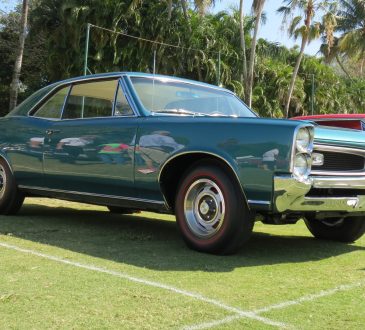
Why Do Certain Muscle Cars Earn Legendary Nicknames?

Introduction Certain muscle cars have earned legendary nicknames that continue to be recognised by automotive enthusiasts and collectors around the...

Mustang vs. Shelby: Understanding the Key Differences


IntroductionA Shelby badge on a Mustang means a lot more than just a sticker package. What started as Carroll Shelby's...