




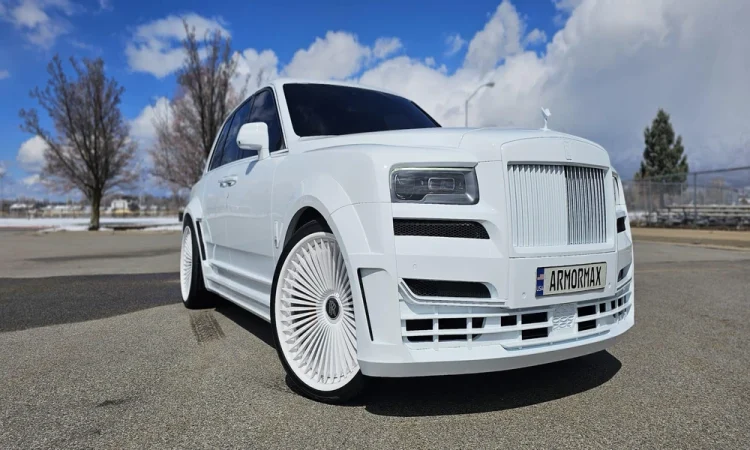
Luxury on wheels with the toughness of a fortress, this is the promise of a bulletproof sedan. The reality, however, is far more complicated than slapping on some armor and calling it a day. The evolution of bulletproof sedans has been shaped by a relentless battle between rising security demands and the uncompromising expectations of automotive performance and comfort. Each armored sedan tells a tale of engineering ingenuity under pressure, where every gram, every inch, and every bolt has a role to play.
Understanding Bulletproof Sedan Design: Balancing Protection and Practicality
Discretion is the soul of protection for many sedan buyers. Unlike ostentatious armored SUVs, the appeal of a bulletproof sedan lies in its ability to blend seamlessly into daily traffic while concealing sophisticated defensive systems. Clients, from executives to diplomats, want a vehicle that looks ordinary but can withstand extraordinary threats, an engineering paradox if there ever was one.
Designing an armored sedan starts with a challenge unique to this class: the original car wasn’t made to be a tank. Retrofitting a luxury sedan means tearing out much of its skeleton and rebirthing it with layers of ballistic materials, reinforced glass, and advanced electronics, all without disrupting the plush interior or the refined driving experience. This balancing act becomes even trickier as each addition of armor shifts the car’s weight distribution, putting strain on components never designed for such loads.
Engineering the Armor: Materials and Construction Techniques
Modern bulletproof sedans rely on science as much as steel. High-strength ballistic steel, aramid fibers like Kevlar, and composite materials form the backbone of protection. Engineering teams experiment with different combinations and layering techniques to achieve optimal resistance against specific threats like rifle fire or grenade blasts, all while minimizing weight.
Layering is critical. It’s not just about thickness, but about how those layers absorb, disperse, and stop kinetic energy. Engineers must also contend with the vehicle’s spatial constraints; every inch gained for armor is an inch lost for legroom or trunk space. The challenge is to protect without sacrificing the very luxury and utility that make sedans attractive in the first place.
Stringent testing and certification processes are the final gatekeepers. Each armored sedan must pass international standards for ballistic and blast protection. The car is subjected to gunfire, explosions, and crash scenarios to ensure that its occupants remain safe when it matters most.
Vehicle Dynamics and Safety Modifications
Armor adds hundreds, sometimes thousands, of pounds to a sedan. To maintain safe handling, the suspension system is overhauled using heavy-duty springs, shock absorbers, and bushings. Braking systems are similarly upgraded, swapping in larger, high-performance discs and calipers to reliably stop the heavier vehicle.
Structural reinforcements are stitched into the body and chassis, counteracting the added weight and preventing flex or failure during violent impacts. These adjustments, while crucial, often lead to a noticeable dip in fuel efficiency and a change in road feel. Engineers strive to minimize these effects, but physics rarely takes bribes.
Customization and Client-Specific Engineering
No two clients have the same risk profile. Some require protection against handguns, others face threats from high-powered rifles or explosives. Companies like Troy Armoring sedans work closely with clients to assess risks and tailor the armor package accordingly. This customization extends beyond protection to luxury features, panoramic sunroofs, massaging seats, seamless infotainment, and even noise-canceling technology are all in play.
Visibility is sacred in a luxury sedan, and so is comfort. Engineers use thinner, stronger ballistic glass and advanced soundproofing to preserve the quiet ride. Technologies such as integrated surveillance, encrypted communication, and emergency escape systems are increasingly demanded as part of the package, all while keeping the car’s look unassuming.
Regulatory and Ethical Considerations in Armored Sedan Design
Designing an armored sedan isn’t just an engineering puzzle; it’s a legal and ethical tightrope. Laws around civilian armoring vary widely from country to country. Some nations restrict armor thickness or prohibit certain features, while others require strict adherence to public safety standards.
Ethically, manufacturers must weigh privacy and personal security against public safety concerns. Vehicles capable of withstanding armed assault could, in rare cases, fall into the wrong hands. There’s also the environmental impact: heavier sedans consume more fuel and emit more pollutants, raising further questions in a world striving for green mobility.
Future Trends in Bulletproof Sedan Engineering
The future promises a revolution in how armored sedans are built. Materials scientists are pushing the limits with lightweight composites and nanotechnology, aiming for the elusive ideal of maximum protection with minimal added mass. Modular armor systems, allowing specific panels to be swapped or upgraded as threats evolve, are on the horizon.
Integration with autonomous driving and advanced security technologies is advancing rapidly. Picture a sedan that not only resists bullets but can also detect and avoid threats in real time, or communicate silently with security teams if an incident occurs.
In the end, the perfect armored sedan will always be a moving target, its design shaped by the interplay of threat, technology, and the tastes of those who demand the best in both safety and style. As long as the world keeps changing, engineers will keep rising to meet the challenge, one silent, luxurious, bulletproof ride at a time.

How Window Tint Protects Your Car’s Interior From Sun Damage


Your vehicle's interior faces constant exposure to sunlight, and over time, those UV rays can cause serious damage. Window tint...
Auto Spare Parts Singapore with Genuine Options for Every Vehicle
Auto spare parts Singapore buyers need vary as widely as the vehicles on the road. A German saloon, a Japanese...
Onsite Tyre Repair Services for Quick and Reliable Tyre Assistance
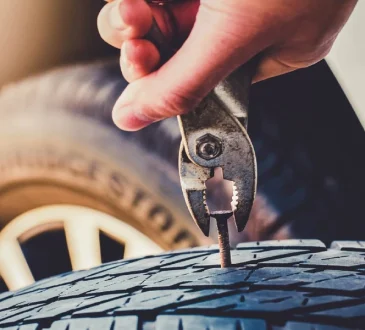
Onsite tyre repair services spare drivers the sequence of inconveniences that a flat tyre traditionally set in motion - the...

Race day travel in Doncaster and the St Leger rush
I have covered race days up and down the country, and I can tell you this with confidence - the...