



Understanding the Engineering of Car Brake Pad and Rotor Replacement for Safer Driving

Modern vehicles rely heavily on complex kinetic energy conversion systems. The primary mechanism utilizes high friction materials against spinning metal discs. Over time these vital components experience substantial mechanical wear and thermal degradation. Mechanics must evaluate the physical condition of both parts simultaneously. Proper component replacement restores the original mechanical factory specifications immediately. Auto Repair in Oak Grove, MO represents a crucial technical standard in automotive safety engineering.
The Mechanics of Kinetic Energy Conversion
Your vehicle transforms forward momentum into intense thermal energy during stops. Brake pads press tightly against the spinning iron discs. This action creates immense friction to halt the heavy vehicle. But the extreme heat alters the metal surface properties over time. Regular inspections prevent severe damage to the entire wheel assembly. The experienced technicians at Bird Automotive inspect these vital components during routine service.
Engineered Disc Surface Wear
Optimal pad engagement requires a flat rotor. A deeply grooved metal disc is difficult to grip with new pads. Since both components are replaced, surface contact is uniform. Friction naturally eliminates minuscule amounts of metal. Component synergy is key to roadway safety. The Bird Automotive servicing staff offers top parts for all vehicle types.
Degradation and Composition of Friction Material
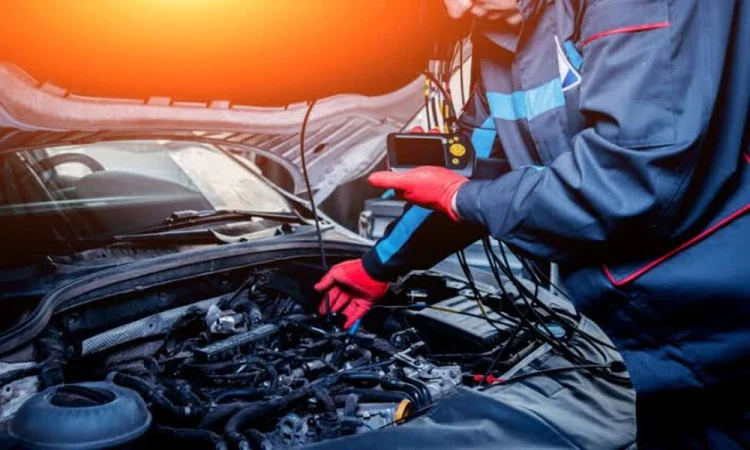
Modern pads use semi-metallic or ceramic materials. At hard stops, these sophisticated materials resist extreme heat without fading. Friction slowly grinds away the sacrificial material. The metal backing plate ultimately touches the rotating rotor. As you slow down, this contact makes a loud shriek. Wearing parts must be replaced before component breakdown. Ignoring warning indicators causes expensive system repairs. Bird Automotive’s skilled technicians measure wear with cutting-edge diagnostic instruments.
Accurate mechanical installation
Before replacing the disc, mechanics scrub the hub. Stuck dirt causes a slight rotor misalignment. After a few weeks, this minor difference produces uneven wear. For lug nuts, technicians use a calibrated torque wrench. Tightening minimizes stress-induced metal disc deformation.
FAQ
Why Does the Steering Wheel Wobble During Stops?
Warped discs touch friction material unevenly. The hydraulic system pulses with this variance. Vibrations are felt in your hands.
The Halting System Should Be Checked How Often?
At every oil change, mechanics recommend an inspection. Routine tests detect minor wear before major damage. Driving behaviors drastically affect component lifespan.
New Pads Require Break-In Operations. Why?
Initial gentle stops create friction to the disc. This mechanism bonds components thermally, which is critical. Proper bedding optimizes long-term stopping.
Can Pads Be Replaced Without Discs?
Deep grooves and uneven surfaces characterize old discs. New pads wear out faster on rough metal. Replace both pieces for optimal safety.
What Does a Loud Grinding Noise When Braking Mean?
Completely worn sacrificial friction material. The disc is physically ground by the metal backing plate. You need mechanical maintenance now.
The Fastest Part of Your Car Should Never Be Your Brakes Running Out


The safety of every vehicle starts with the braking system. Driving requires constant attention and dependable equipment. High speeds on...