


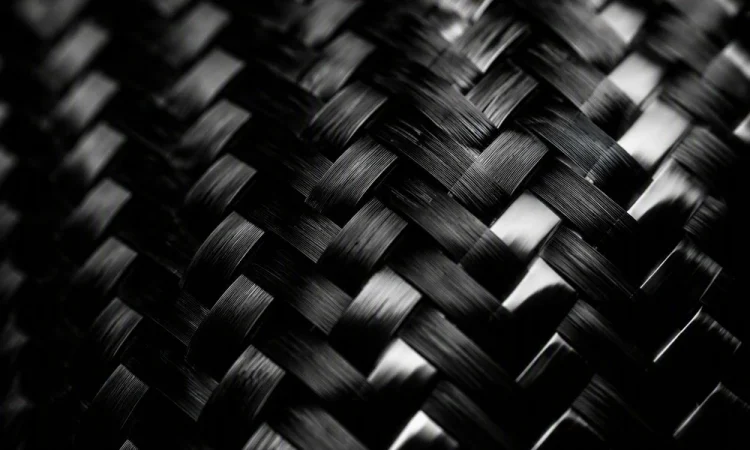
Day one is easy. Year five is the test.
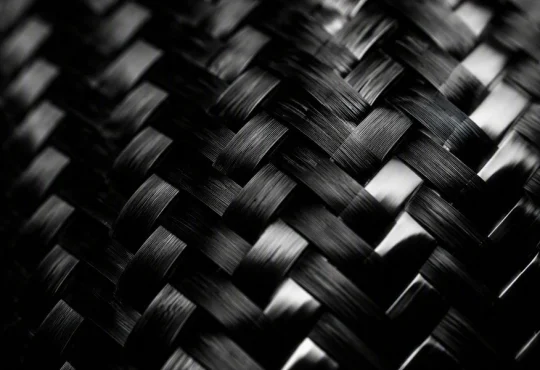
Every carbon fiber part looks fantastic on delivery day. The finishes separate themselves at year three, in the sun, after two hundred washes. If you are choosing between gloss, matte, satin, tinted resin, or a hybrid weave, the right question is not which looks best today. It is which aging process you can live with. Here is the honest forecast for each.
The Real Enemy Is UV
Before the finishes, one shared villain. Ultraviolet light attacks the epoxy matrix in every carbon part, and unprotected resin yellows and chalks. The clear coat is the sunscreen. Quality automotive-grade clear with proper UV inhibitors buys a decade or more of outdoor life; cheap or thin clear coats start failing within a couple of summers. This is why finish longevity is mostly a build-quality question. The carbon fiber color guide notes this, and it is worth repeating: a good matte part outlives a bad gloss part, every time.
How Gloss Ages
Gloss clear coat ages exactly like automotive paint, because chemically it nearly is automotive paint. It picks up swirl marks from careless washing, water spots from hard water, and light scratches from life. The good news: it can be corrected. A machine polish every year or two brings gloss carbon back to new, and deeper damage can be wet-sanded and re-cleared by any competent paint shop. Gloss demands the most maintenance and forgives the most mistakes.
How Matte Ages
Matte is the opposite trade. It hides dust, swirls, and fingerprints so well that daily maintenance nearly disappears. But damage is forever: matte clear cannot be polished, because polishing removes the texture that makes it matte. A burn mark from an exhaust tip, a scuffed corner, a bird-dropping etch. Each becomes a permanent shiny witness. Repair means re-coating the entire panel. Matte owners trade a maintenance schedule for a carefulness requirement.
How Tinted Resin Ages
Dyed-resin parts age on two tracks. The clear coat on top behaves like any clear coat. The color underneath, being inside the resin, cannot peel or chip. But cheap pigments can shift under years of UV, with reds being the traditional fugitives. Quality pigments from serious suppliers hold their tone well. Ask what pigment system is used; the answer separates the jewel-toned parts that stay rich from the ones that drift toward brown.
How Hybrid Weaves Age
Hybrid weaves with aramid fibers have one quirk: aramid fibrillates. On poorly finished parts, trimmed edges can fuzz slightly over time as the aramid fibers resist being cut cleanly. Quality builders seal edges so this never starts. Otherwise, the woven-in color is permanent, it is fiber, not coating. The carbon Kevlar hybrid guide covers the material’s other traits, and the same article explains why that fuzzing tendency comes packaged with outstanding impact resistance.
Repairing Each Finish
Repairs follow the same logic as aging. Gloss is the most repairable: sand, re-clear, polish, invisible. Matte is the least: any local repair shows, so panel-level re-coating is standard. Tinted resin repairs well structurally but color-matching a repair into aged pigment takes a shop that has done it before. Hybrid weaves repair structurally like any laminate, though matching the weave pattern across a repair zone is more art than science. Buy the finish whose repair story you can afford, not just the one whose showroom look you love.
The Care Routines That Actually Work
- Wash with pH-neutral soap and a soft mitt. Harsh detergents shorten clear-coat life on any finish.
- Wax or seal gloss and satin twice a year. Matte gets dedicated matte sealant only, never wax.
- Fix chips and clear-coat damage early, before UV reaches the resin underneath.
- Garage the car when you can. Shade is free and it is the best UV protection ever made.
- Inspect tinted and hybrid parts yearly for pigment shift or edge fuzz. Caught early, both are cheap to address.
Two Habits Worth Stealing From the Detailers
First: ceramic coating. A quality ceramic layer over any carbon finish adds a sacrificial, hydrophobic skin that makes washing easier and slows UV’s march on the clear coat beneath. It is not magic, but as a once-a-year-or-two investment it is the highest-value protection a carbon part can wear. Second: seasonal sense. If the car sleeps through winter, that is the moment for a deep clean, a fresh sealant, and a slow inspection in good light. The finish you put away healthy in November comes back in spring unchanged.
The Five-Year Test
Picture the part at year five. Gloss will need a polish and reward it. Matte will look exactly as it did. Unless it was damaged, in which case it will show you. Tint will hold if the pigments were good. Hybrids will hold if the edges were sealed. None of these outcomes is luck. All of them were decided at the workbench, long before the part met your car. Buy accordingly, care accordingly, and year five will treat you well.
Why Do Certain Muscle Cars Earn Legendary Nicknames?
Introduction Certain muscle cars have earned legendary nicknames that continue to be recognised by automotive enthusiasts and collectors around the...

Mustang vs. Shelby: Understanding the Key Differences

IntroductionA Shelby badge on a Mustang means a lot more than just a sticker package. What started as Carroll Shelby's...

Tint Samples Should Be Judged From the Driver’s Seat


A tint decision should begin with the driver's experience inside the vehicle. Describe the journey that prompts the purchase, examine...