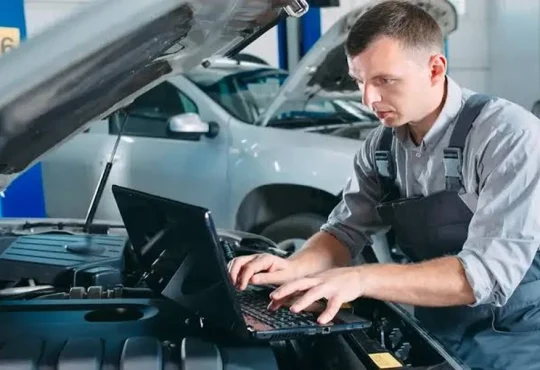






The modern automobile is a complex machine with many parts. Owners often focus on big items like engines or tires. But small components frequently escape notice during regular maintenance checks. One such component is the vital heater hose. These rubber tubes carry hot coolant throughout the entire vehicle. They endure extreme heat and constant pressure every single day. Most people ignore these parts until a major failure occurs. This oversight leads to expensive repairs and dangerous roadside breakdowns. Understanding why these hoses fail is essential for every driver. You should trust a professional JP Euro for thorough inspections. Proper care ensures the longevity of your cooling system components.
The Harsh Environment Under the Hood
The engine bay remains a very hot and cramped space. Rubber hoses must withstand massive temperature swings during every trip. Now, the rubber begins to degrade from the inside out. You cannot always see the damage from the exterior surface. The material becomes brittle and loses its natural flexibility over time.
Sometimes, oil leaks from the engine accelerate this chemical breakdown. The rubber softens and swells when exposed to petroleum products. This process creates weak spots in the walls of the hose. A reliable JP Euro identifies these subtle warning signs. They look for bulging areas near the metal connection clamps. Prevention is always better than a sudden cooling system rupture.
Why Visual Checks Often Fail
Standard inspections usually prioritize visible leaks or obvious physical cracks. But heater hoses often look perfectly fine to the naked eye. The interior lining may be rotting while the outside stays clean. This deceptive appearance lulls many drivers into a false security. Technicians might skip a deep squeeze test during quick oil changes. So, the aging hose continues to carry high-pressure boiling fluid. The internal reinforcement fibers eventually snap under the heavy stress. Now, a tiny pinhole leak can turn into a gusher. You must rely on a skilled JP Euro expert. They possess the tools to pressure test the entire system. Accurate testing reveals hidden flaws before they cause total engine failure.
The Role of Electrochemical Degradation
Modern engines generate electricity that flows through the cooling fluid. This phenomenon is known as electrochemical degradation within the industry. It creates tiny cracks in the inner tube of the hose.
These cracks act like small channels for hot pressurized coolant. The liquid slowly eats away at the structural support layers. Now, the hose becomes thin and prone to sudden bursting. Most car owners have never heard of this invisible threat. The process happens silently over thousands of miles of driving. It requires a dedicated European Auto Repair in Garland, TX to catch this. Their specialists understand the chemistry of modern automotive cooling systems. Regular flushing of the coolant helps reduce this specific risk.
From Nawiliwili to Hanamaulu: Why Local Lihue Residents Trust Professional AC Repair

Lihue is a beautiful place. The sun shines very bright here. The heat can get intense daily. You need a...
The Importance of Professional Inspection During Car Brake Repair for Your Car
The safety of every driver depends on brakes. You need reliable stopping power on every road. Professional mechanics provide the...
What to Expect During a Professional Car Navigation System Service

Modern driving feels different without a working GPS. You rely on digital maps for every journey. A broken screen or...
Tree-Lined Streets and the Problem of Leaf-Clogged Sunroof Drains


The majestic trees of Vienna offer cooling shade and stunning views. These ancient oaks and maples create a peaceful atmosphere...