




The brake supporter is an essential safety component in GMC vehicles, providing the pedal assist needed for confident and active braking. Failure can occur evenly or suddenly, leaving motorists with a hard pedal, raised stopping distance, and imperiled safety. Recognizing the manifestations early, understanding the common causes, and operating a timely substitute ensures that your GMC truck or SUV resumes to deliver trustworthy stopping capacity.
Brake Booster
Its primary function search out and reduce the exertion needed to apply the brakes. When the driver presses the brake, produce music:
1. Vacuum Assistance
Engine vacuum is transmitted to the booster, which multiplies the pedal force. You can also visit shops for European Auto Repair in Overland Park, KS.
2. Force Transmission
The exaggerated force is transferred to the master cylinder, and aggressive brake fluid is transmitted through the lines to the calipers or wheel cylinders.
Common Causes of GMC Brake Booster Failure
Several factors influence brake booster failure in GMC vehicles:
1. Vacuum Leaks
The supporter relies on transformer vacuum. You can also contact experts like Keeton Auto Repair.
2. Broken diaphragm
The supporter contains a rubber condom. Over time, age, heat, and frequent use can cause the diaphragm to tear, chief to complete loss of pedal assist.
3. Faulty Check Valve
The check valve guarantees a vacuum is maintained in the booster even when the diesel vacuum drops. A failing valve allows air in, lowering braking power.
4. Master Cylinder Integration Issues
Many GMC brake boosters are joined to the master cylinder.
Symptoms of Brake Booster Failure
Brake supporter failure can present in different ways. GMC holders should be wary of the following warning signs:
• Stiff Brake Pedal
The pedal unexpectedly requires much more force to engage, especially at reduced speeds or idle.
• Longer Stopping Distance
Pedal assist misfortune means the driver must press harder, which can delay braking and increase the stopping distance.
• Hissing Noise
A vacuum leak in the supporter can cause a noticeable hissing sound when the pedal is rushed.
• Engine Performance Issues
Some boosters leak vacuum into the consumption manifold, leading to rough, ineffective, stalling, or uncertainty.
• Brake Warning Light
In some GMC models, the brake method warning light may illuminate when the booster or associated components fail.
How Brake Booster Failure Affects Drivability
A failed supporter dramatically changes driving dynamics:
• Reduced Safety Margin
Without machine assistance, drivers may struggle to stop quickly, specifically during emergency braking.
• Fatigue During Driving
Constantly applying difficult pedal pressure can cause pedal fatigue, especially in traffic or city driving.
• Potential Secondary Damage
Straining to stop the vehicle can stress brake lines, calipers, or rotors. You can also consult with experts like Keeton Auto Repair.
Conclusion
For owners, asserting vacuum lines, hindering leaks, and addressing ridiculous noises immediately can prevent destructive booster decline and keep all drives safe and certain.

Exploring the Engineering Challenges Behind Bulletproof Sedan Design
Luxury on wheels with the toughness of a fortress, this is the promise of a bulletproof sedan. The reality, however,...

How Window Tint Protects Your Car’s Interior From Sun Damage


Your vehicle's interior faces constant exposure to sunlight, and over time, those UV rays can cause serious damage. Window tint...
Auto Spare Parts Singapore with Genuine Options for Every Vehicle
Auto spare parts Singapore buyers need vary as widely as the vehicles on the road. A German saloon, a Japanese...
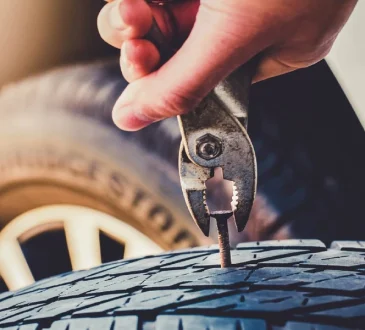
Onsite Tyre Repair Services for Quick and Reliable Tyre Assistance
Onsite tyre repair services spare drivers the sequence of inconveniences that a flat tyre traditionally set in motion - the...