




Valet Mode Can Keep a Tesla Detailer Out of a Compartment You Want Cleaned

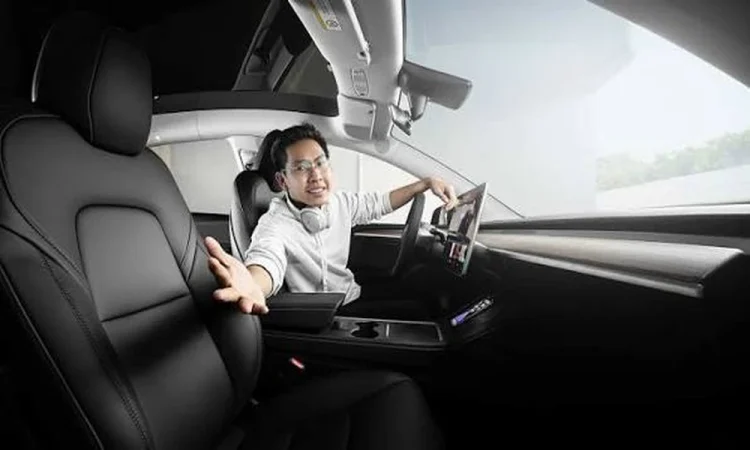
Before leaving a Tesla for detailing in Valet Mode, check whether the restrictions fit the areas you want cleaned. Tesla’s Model 3 manual says this mode locks the glovebox and front trunk and requires a key card for access and driving. A compartment deliberately kept private should not simultaneously appear in the cleaning request as an area staff are expected to open.
A restricted compartment should stay outside the cleaning scope
The glovebox can become a miniature filing cabinet. Old service papers, personal correspondence and forgotten accessories may share the space, making it an understandable place to restrict when somebody else has the car. That preference can remain entirely reasonable during a detail. It becomes a practical problem only when the owner also expects the closed compartment to be emptied, wiped and returned ready to use.
Choose the boundary before handing over the vehicle. You can remove the contents yourself and discuss access with the shop, or leave the compartment private and exclude it from cleaning. There is no need to present access to everything as the price of obtaining a worthwhile interior service. What matters is that the person doing the work knows which spaces are intentionally unavailable.
A request for a “complete interior” does not communicate that boundary. Name the glovebox and any other area you want left alone. Staff should not need to decide whether a locked compartment represents a technical obstacle, a forgotten setting or an instruction to preserve privacy. The owner can resolve that ambiguity in a sentence before the appointment starts.
The front trunk creates a similar possibility even though it is separate from the passenger cabin. If you were picturing cleaning there too, discuss it explicitly. Do not assume every luggage or storage space falls under a package label. A deliberate omission is easy to understand when it is agreed; it is much harder to explain as a surprise at collection.
Use the manual that belongs to this car
The Model 3 manual’s Valet Mode section identifies restricted functions, including the locked compartments and key-card requirement. Use that as a reason to consult the instructions applicable to your own model and software. A remembered arrangement from a friend’s vehicle may not describe what the car in front of the detailer will do.
Read for the practical consequences of the setting rather than treating its name as a complete explanation. “Valet” can sound like a universal temporary handover option, but the specific restrictions decide whether it suits a particular appointment. You do not need to activate unrelated features or work through every menu. You need to understand the access you are choosing to provide.
Keep account credentials private. Giving a shop the means to carry out the agreed vehicle work does not require handing over the password to your Tesla account. Follow the manufacturer’s supported arrangements and discuss the actual key and access needs beforehand. If a proposed handover depends on sharing more account information than you intended, pause and find an appropriate arrangement with the provider.
A key that works for your daily routine may not be the key needed for this handover. The cited Model 3 instructions specify a key card in Valet Mode. Locate the relevant card and check the applicable guidance before arrival, rather than discovering its absence after your phone and your usual access have left the premises with you.
Demonstrate the access the appointment actually needs
Allow a few minutes at drop-off for the staff member accepting the vehicle to confirm that the supplied key arrangement works. The shop should know how to contact you if an access question arises. This is a practical demonstration of the handover you agreed, not an invitation to bypass a restriction or explore private compartments.
Tell the shop which settings you have deliberately selected. A staff member should not have to infer that a locked glovebox is intentional from the fact that the rest of the car opens. Keep the explanation concrete: this compartment stays closed, these areas are included, and this is the supplied key. That is easier to use than a general instruction to be careful with the electronics.
For a Vaughan appointment, compare those boundaries with the Vaughan detailing menu before finalising the requested cabin work. If your main concern is the console and passenger footwells, a private glovebox need not prevent a useful clean. Describe the areas that matter and let the provider confirm a workable scope with the chosen access.
Be available through the contact route you supplied, or agree what staff should do if they cannot reach you. A question about one excluded compartment should not quietly turn into permission to change your privacy settings. The useful default is the boundary already agreed. If you later decide to change it, communicate that directly and let the shop explain whether the schedule can accommodate the extra work.
Check the vehicle before resuming your usual profile
At collection, ask whether any access limitation affected an included area. Compare the answer with the scope instead of searching for a reason to regard every untouched compartment as incomplete work. If the glovebox was intentionally unavailable, its condition should reflect that choice. You can arrange another approach later without rewriting what the shop was asked to do.
Follow the applicable manual when ending Valet Mode and returning to your normal vehicle settings. Take time while parked to become comfortable with the car before leaving. If something about access or the profile is unexpected, resolve the question there or through the appropriate support route. The collection process should not depend on hurriedly changing settings while beginning a journey.
Return the key card and any retained documents to their usual places deliberately. Check that personal items removed beforehand have not been left in a waiting bag that will be forgotten. The car can be clean and private at the same time. A locked compartment you chose to exclude represents a respected instruction, not a cleaning failure.
Book a Car Detail Without Bringing Home a New Fragrance


A clean cabin does not have to announce itself with a new scent. If you dislike air fresheners or strongly...