



Classic car restoration is more than just a hobby, it often turns into a long-term passion that combines creativity, technical skill, and emotional connection. For many enthusiasts, the process of bringing an old vehicle back to life becomes a deeply rewarding journey that continues for years.
One of the main reasons restoration becomes a lasting passion is the strong emotional value attached to classic cars. These vehicles often carry history, nostalgia, and a sense of identity. Whether it is a model from a favourite era or a car linked to personal memories, classic car restoration hobby ideas working on it creates a meaningful bond. This emotional connection motivates individuals to invest time and effort into preserving something they truly value.
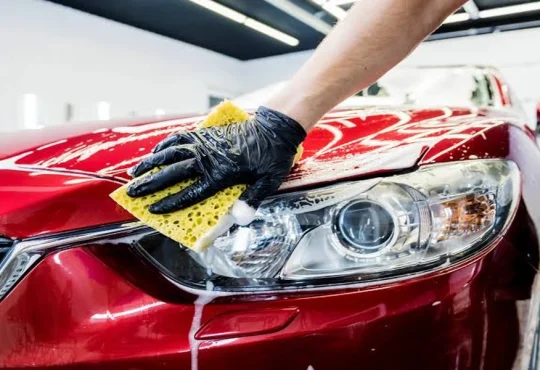
The restoration process itself is highly engaging. It involves multiple stages such as disassembly, repair, painting, and reassembly. Each stage requires attention, patience, and precision. As individuals move through these steps, they become deeply involved in the work, often losing track of time. This level of engagement makes the experience enjoyable and fulfilling, encouraging them to continue with future projects.
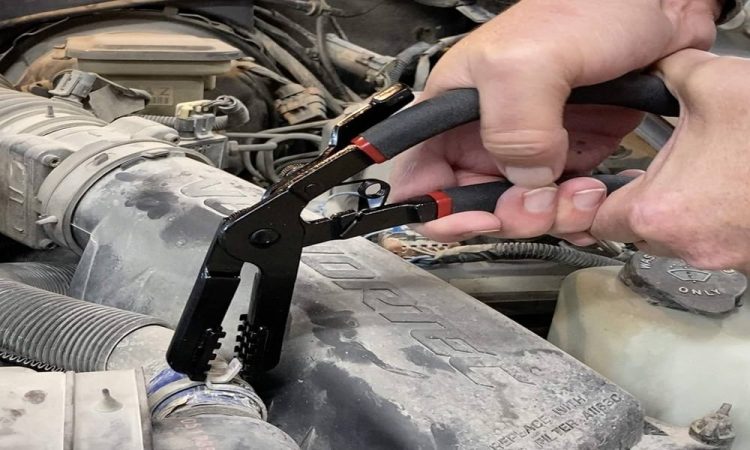
Another factor that turns restoration into a long-term interest is the continuous learning it offers. Every car is different, and each project presents new challenges. From understanding engine components to mastering bodywork techniques, individuals constantly expand their knowledge and skills. This ongoing learning keeps the passion alive, as there is always something new to discover and improve.
Classic car restoration also provides a strong sense of achievement. Completing a project, especially one that required significant effort, brings immense satisfaction. Seeing a worn-out vehicle transformed into a fully functional and visually appealing car is a powerful reward. This sense of accomplishment often inspires individuals to take on more projects, further deepening their passion.
In addition, the restoration community plays an important role. Enthusiasts often connect with others who share the same interest, exchanging ideas, advice, and experiences. These connections create a supportive environment that encourages growth and keeps the passion active. Being part of a community also adds a social aspect to what might otherwise be a solitary activity.
Financial and investment value can also contribute to long-term interest. Restored classic cars can increase in value over time, making the hobby not only enjoyable but also potentially rewarding. While passion is usually the primary motivation, the possibility of financial return can add another layer of satisfaction.
Moreover, restoration offers an escape from routine. It allows individuals to step away from daily stress and focus on something productive and creative. The hands-on nature of the work provides a sense of relaxation and mental clarity, making it a fulfilling way to spend time.
In conclusion, classic car restoration becomes a long-term passion because it combines emotional connection, continuous learning, personal achievement, and community involvement. It is not just about fixing cars, but about preserving history, building skills, and enjoying a deeply engaging and meaningful experience over time.
Peeling Wheel Paint Calls for a Surface Decision Before a Style Decision


When wheel paint is peeling, the first decision concerns the existing finish and wheel condition. Choosing a new colour comes...