




Mid-ride mechanical issues were most often present before the ride started. The tyre that lost pressure overnight. The brake fluid level has dropped since the last check. The chain dried out after two weeks of daily commuting. None of these announces itself loudly before departure. They reveal themselves later, under load, at speed, in conditions that leave the rider with limited options. David Vepraskas notes regular pre-ride inspection habits help riders maintain reliable mechanical readiness.
Tyres tell everything
Tyre condition influences every motorcycle performance variable. The performance of tyres depends on a combination of tyre pressure, tread depth, and structural integrity. Changes between rides happen without symptoms during normal operation:
- Tyre pressure – Check with a gauge before the first ride each day, as pressure drops gradually through normal use and overnight temperature changes
- Tread depth – Check wear approaching indicator markers across the full tread width
- Embedded objects – Scan the tread surface for nails, stones, and debris
- Sidewall condition – Watch for bulges, cuts, or cracks that indicate structural damage
- Valve caps – Confirm both valve caps are present and seated correctly before departure
Checkpoints address specific failure modes that develop between rides without presenting obvious symptoms.
Controls and cables
Each ride confirms hydraulic system integrity across both braking circuits through lever and pedal feel. The lever or pedal becomes softer, stiffer, or requires more travel before resistance builds, signalling a system change.
- Throttle operation – Positive snap-back to closed position across the full handlebar steering range
- Clutch lever – Smooth pull with consistent resistance and full disengagement at the correct lever position
- Brake engagement points – Front lever and rear pedal engagement points consistent with the previous ride
- Handlebar movement – Full steering lock confirmed in both directions without cable restriction or binding
- Foot controls – Gear lever and rear brake pedal positioned correctly and moving freely through the full range
Controls that feel different from the previous ride without an obvious explanation require investigation before the ride proceeds.
Lights and electrics
Electrical system checks confirm every lighting circuit functions before departure. Riders who skip lighting checks discover non-functioning circuits after dark or in conditions where visibility to other road users is already reduced:
- Headlight – Low and high beam operation confirmed before every ride, regardless of departure time
- Brake lights – Both front lever and rear pedal activation checked using a reflective surface or wall
- Indicators – All four corners checked for correct flash rate and full illumination throughout
- Horn – Single press confirms operation without extended testing time
- Instrument panel – Speedo, fuel gauge, and warning lights all illuminate correctly at ignition
The full electrical sequence completes within two minutes and confirms all visibility systems are operational before traffic exposure begins.
Fluids and chain
Indicators are visible through sight glasses or reservoir markings on all engine oils, coolants, and brake fluids. The oil level has dropped significantly since the last check, suggesting leakage. Lever feel and braking response are affected by brake fluid sitting below the minimum line gradually rather than suddenly. Both warrant investigation before the ride continues rather than monitoring during it. Chain inspection closes the sequence. Tension, lubrication, and wear condition all affect power delivery and rear wheel tracking. A chain that has tightened, loosened, or run dry since the previous session produces handling characteristics that correct tension and fresh lubrication can eliminate. Thirty seconds spent on chain inspection before departure is among the highest-return maintenance habits in routine motorcycle ownership.

Exploring the Engineering Challenges Behind Bulletproof Sedan Design

Luxury on wheels with the toughness of a fortress, this is the promise of a bulletproof sedan. The reality, however,...
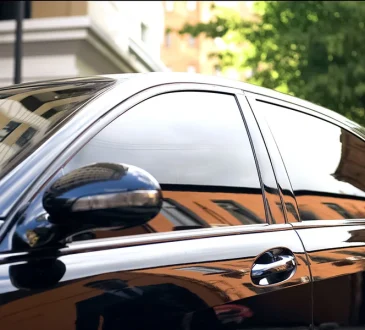
How Window Tint Protects Your Car’s Interior From Sun Damage


Your vehicle's interior faces constant exposure to sunlight, and over time, those UV rays can cause serious damage. Window tint...
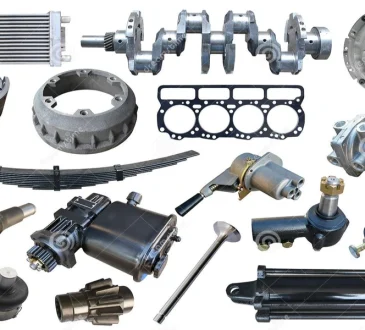
Auto Spare Parts Singapore with Genuine Options for Every Vehicle
Auto spare parts Singapore buyers need vary as widely as the vehicles on the road. A German saloon, a Japanese...

Onsite Tyre Repair Services for Quick and Reliable Tyre Assistance
Onsite tyre repair services spare drivers the sequence of inconveniences that a flat tyre traditionally set in motion - the...